
Why savings rates may finally climb again
Savings rates may rise again. Learn what the Fed's decisions mean for your money and how to compare high-yield savings accounts.
Attention savers: savings rates may be ready to climb
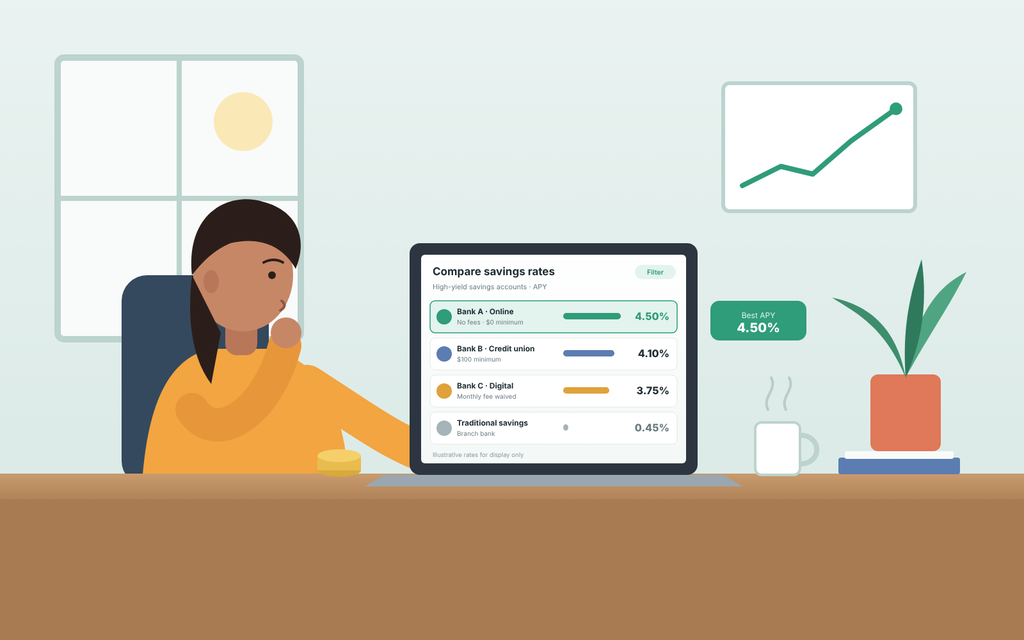
Is your savings account earning enough interest? If you’ve been leaving money in the bank without checking your APY, you could be missing out on better returns.
Savings rates may climb again in 2026, creating new opportunities for Americans who want their money to work harder.
But there’s a catch: higher interest rates don’t guarantee that every bank will pay you more.
Here’s what you need to know before making your next financial move.
Why Savings Rates May Rise Again
Savings rates depend on several factors, including:
- Federal Reserve decisions;
- Inflation;
- Competition between banks;
- Demand for customer deposits.
In September 2026, the Federal Reserve raised its target range to 3.75%–4.00%.
This matters because changes in market interest rates can influence how much banks pay customers on their savings.
However, banks set their own deposit rates.
A Fed rate increase doesn’t automatically mean your savings APY will rise.
What the Federal Reserve’s Next Move Could Mean
The Fed’s October 27–28, 2026, meeting is an important event for savers to watch.
A Reuters poll published on October 20 found that most surveyed economists expected the Fed to hold rates steady in October, with another increase anticipated in December.
These are forecasts, not confirmed decisions.
If rates rise again, some banks may offer more competitive savings yields. Others may leave their APYs unchanged.
The key takeaway: Monitor your account instead of assuming your bank will increase your rate.
How Inflation Affects Your Savings
Higher interest earnings don’t tell the whole story.
You also need to consider inflation.
U.S. consumer inflation reached 3.7% year over year in September 2026, according to October reporting by the Associated Press.
When prices rise, your money loses purchasing power.
For example, an account paying 0.50% APY would not keep pace with 3.7% inflation before taxes.
Your balance might grow, but your money could still buy less than it did a year earlier.
What Could Drive Savings Rates Higher?
Three factors deserve your attention.
1. Persistent Inflation
When inflation remains above the Fed’s 2% target, policymakers may keep interest rates elevated or consider further increases.
That could encourage some banks to offer more competitive savings yields.
However, the opposite could happen if inflation cools faster than expected.
2. Competition Between Banks
Banks compete for customer deposits.
One way to attract new customers is by offering high-yield savings accounts with competitive APYs.
This creates an opportunity to earn more even if your current bank doesn’t increase its rate.
Before switching, compare:
- APY;
- Monthly fees;
- Minimum balance requirements;
- Withdrawal and transfer options;
- Eligibility conditions.
Always confirm the current rate on the bank’s official website.
3. Changes in Bank Funding Needs
Banks don’t always pass Federal Reserve rate changes directly to customers.
Some raise savings rates quickly. Others make smaller adjustments or keep their rates unchanged.
Banks may also lower variable APYs when market conditions change.
Don’t wait for your bank to notify you about a better deal. Compare your options regularly.
What Should You Do If Savings Rates Rise Again?
You don’t need to predict the Fed’s next decision to improve your savings strategy.
Start with these five steps.
1. Check Your Current APY
Review your account through your bank’s website or app.
Look for:
- Your current APY;
- Monthly maintenance fees;
- Minimum balance requirements;
- Conditions attached to promotional rates.
If your account pays significantly less than competing offers, calculate how much switching could save or earn you.
2. Compare High-Yield Savings Accounts
A high-yield savings account may offer better returns while keeping your money accessible.
But don’t focus on the advertised APY alone.
Check the fees, account requirements, and rate conditions before opening an account.
3. Account for Inflation and Taxes
Your APY isn’t the same as your real return.
If your account earns 4.35% while inflation is 3.7%, your approximate real return is 0.65 percentage points before taxes using the simplified difference between the two rates.
Taxes can reduce your earnings further.
The IRS generally treats bank interest as taxable income, subject to applicable rules.
4. Prepare for Holiday Expenses
October is a good time to review your budget before holiday shopping and travel expenses add up.
Consider separating your savings into different goals:
- Emergency expenses.
- Holiday spending.
- Household bills.
- Long-term savings.
Keep money you need soon in an account that allows appropriate access.
There’s little benefit in earning a slightly higher rate if you can’t access your money when you need it.
Could Savings Rates Fall Instead?
Yes. Savings rates could fall even after a period of increases.
If inflation cools and the Federal Reserve eventually cuts interest rates, banks may reduce the APYs on variable-rate accounts.
Individual banks can also adjust their rates based on competition and funding needs.
That’s why chasing the highest advertised APY isn’t always the best strategy.
Instead, consider the account’s overall value:
- Competitive returns.
- Low or no fees.
- Convenient access.
- Deposit protection.
- Clear account terms.
Make decisions based on verified rates, not predictions about what the market might do next.
Author’s Opinion
The possibility of rising savings rates is encouraging, but the biggest opportunity is making sure your money is earning a competitive return today.
Many people leave their savings in the same account for years without checking their APY.
That habit can cost them hundreds of dollars in potential interest.
At the same time, chasing the highest advertised rate without reviewing fees or account restrictions can create unnecessary problems.
My recommendation is simple: check your current APY. Compare competing offers. Make sure your money remains accessible when you need it.
You don’t need to predict the Federal Reserve’s next move to make a smarter savings decision.
Recommended content
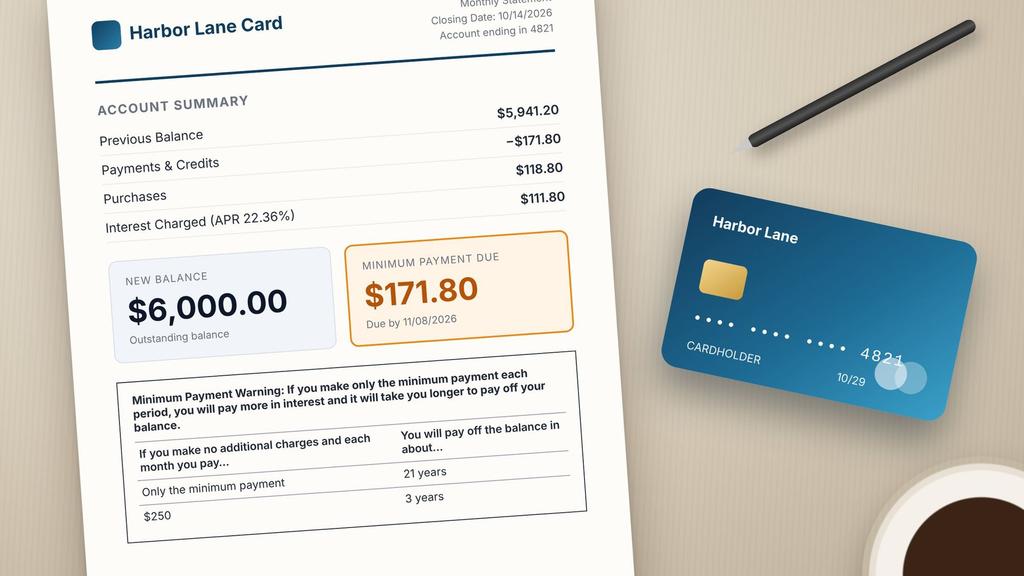
Why your minimum payment
Discover why your minimum payment reduces less credit card debt, how interest affects your balance, and what you can do to pay it off faster.
Continue Reading * You will remain on the current website